-
Approval Ratings: How They’re Measured and Interpreted

The Gallup Organization began measuring approval ratings in the late 1930s to gauge how much public support a president had for the way he was doing his job. Approval rating surveys measure public evaluations of a politician, institution, policy, or public figure, as well as judgments on public issues. Ratings rise and fall with the…
-
Stay Interviews: The Conversation That Prevents an Exit Interview

What Is a Stay Interview? A stay interview is a periodic, structured one-on-one conversation between a manager and an employee. Its purpose is to find out why the employee chooses to stay with the organization and what might eventually cause them to leave. Stay interviews show organizations what they are doing right, where they are…
-
Criterion Validity Explained for Survey Researchers
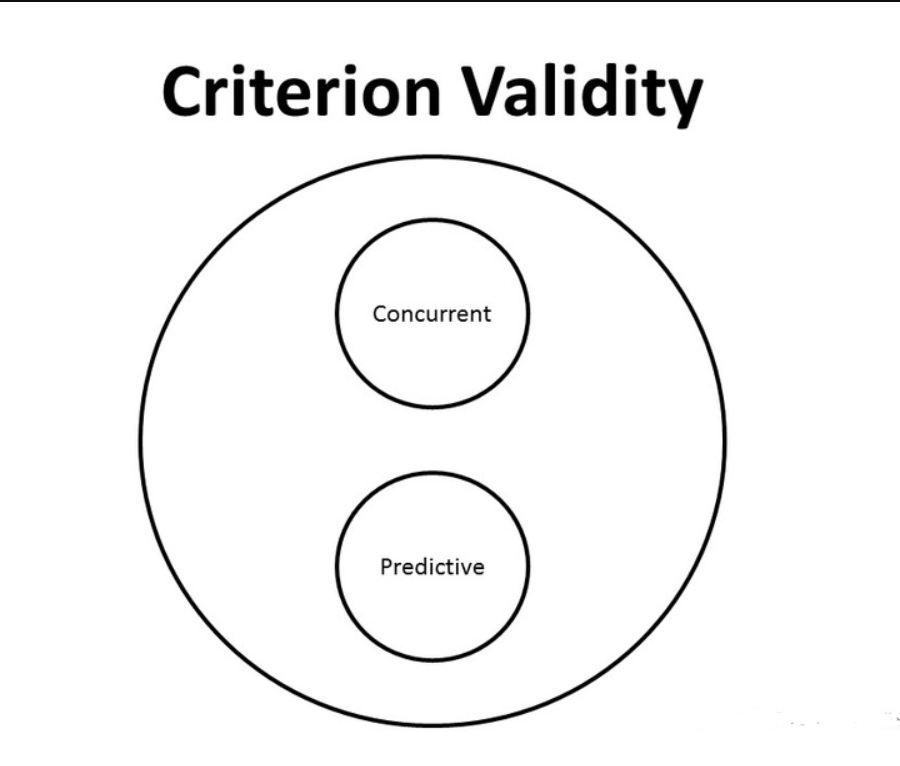
You have a number from a survey. How can you be sure that number means anything? Take two surveys that both measure employee engagement. Each asks new employees to rate how engaged they are on a scale of 1 to 10. Both produce clean charts and statistics that appear to support conclusions about employee engagement.…
-
Psychological Reactance: Why Required Fields Make People Rebel
When you make a survey question required and look at the results, you’ll notice that some people answer it thoughtfully. Others type “N/A,” mash their keyboards, or enter false information just to get past the question and out of the survey. They were told the information was required, and some part of them pushed back…
-
The Ostrich Effect: Why People Skip Questions About Bad News
What Is the Ostrich Effect? No one loves to experience something negative. Every human always wants to hear something pleasant and whenever the unforeseen happens, the human brains act defensive and get into denial of what has just happened, hoping it will pass with time but it doesn’t, rather it gets worse. What you ignore…
-
The Wisdom of Crowds: When Averaging Survey Guesses Beats the Experts

Wisdom of crowd or wisdom of the majority according to Wikipedia expresses the notion that the collective opinion of a diverse and independent group of individuals rather than that of a single expert yields the best judgement. Wisdom of crowds does not mean crowds are more intelligent than experts, rather it works best when the…
-
The Third-Person Effect: Why Everyone Thinks Ads Work on Other People
Do you think other people are more influenced by advertising and media messages than you are? This belief illustrates the third-person effect, a psychological phenomenon in which people tend to believe that media messages influence others more strongly than they influence themselves. Although people may recognize that advertising, news, and persuasive messages affect others, they…
-
Common Method Bias: Causes, Examples & How to Reduce It

WHAT IS COMMON METHOD BIAS Common method bias also known as C.M.B or C.M.V (Common Method Variance) is a measurement error that occurs when the way information is collected affects participant answers, making different variables appear more closely related than they actually are. It is sometimes described as when the survey correlates itself because the…
-
Poll Herding: Meaning, Causes & How to Identify It

WHAT IS POLL HERDING Poll herding is a practice where polling organizations adjust, suppress or change their result to fit or look similar to what others are reporting. This is done to avoid being the odd one and fear of being criticized. Poll herding makes the results look similar, reduces the real insight of the…
-
Differential Privacy: What It Is and How It Works In Surveys

Differential privacy refers to adding a certain amount of noise or randomness to a data set so you could pull any real data out of it and not compromise the overall structure of the data set. Differential privacy in survey is a technique used to protect respondent individual information by adding a control of amount…