-
Criterion Validity Explained for Survey Researchers
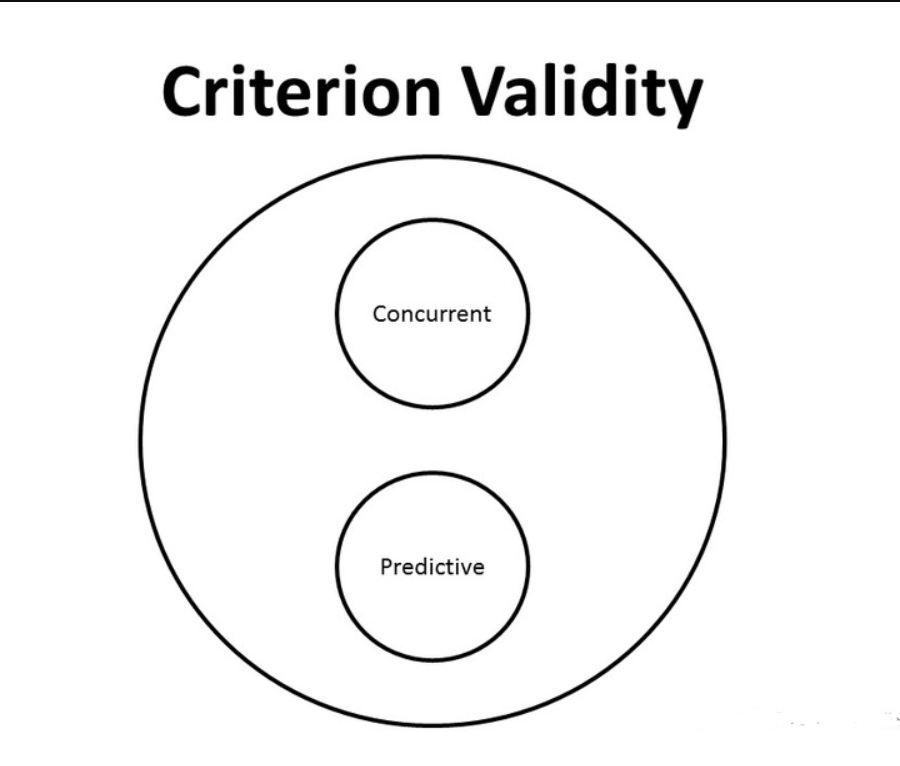
You have a number from a survey. How can you be sure that number means anything? Take two surveys that both measure employee engagement. Each asks new employees to rate how engaged they are on a scale of 1 to 10. Both produce clean charts and statistics that appear to support conclusions about employee engagement.…
-
The Ostrich Effect: Why People Skip Questions About Bad News
What Is the Ostrich Effect? No one loves to experience something negative. Every human always wants to hear something pleasant and whenever the unforeseen happens, the human brains act defensive and get into denial of what has just happened, hoping it will pass with time but it doesn’t, rather it gets worse. What you ignore…
-
The Wisdom of Crowds: When Averaging Survey Guesses Beats the Experts

Wisdom of crowd or wisdom of the majority according to Wikipedia expresses the notion that the collective opinion of a diverse and independent group of individuals rather than that of a single expert yields the best judgement. Wisdom of crowds does not mean crowds are more intelligent than experts, rather it works best when the…
-
Common Method Bias: Causes, Examples & How to Reduce It

WHAT IS COMMON METHOD BIAS Common method bias also known as C.M.B or C.M.V (Common Method Variance) is a measurement error that occurs when the way information is collected affects participant answers, making different variables appear more closely related than they actually are. It is sometimes described as when the survey correlates itself because the…
-
Poll Herding: Meaning, Causes & How to Identify It

WHAT IS POLL HERDING Poll herding is a practice where polling organizations adjust, suppress or change their result to fit or look similar to what others are reporting. This is done to avoid being the odd one and fear of being criticized. Poll herding makes the results look similar, reduces the real insight of the…
-
Differential Privacy: What It Is and How It Works In Surveys

Differential privacy refers to adding a certain amount of noise or randomness to a data set so you could pull any real data out of it and not compromise the overall structure of the data set. Differential privacy in survey is a technique used to protect respondent individual information by adding a control of amount…
-
Gain vs. Loss Framing in Survey Questions

What Is Framing and Why It Matters Framing can be defined as the way a question, idea or piece of information is structured and presented to influence how people view, understand, interpret and respond to it. In surveys, framing is not limited to the wording alone. It also includes the tone, context and view used…
-
What Pluralistic Ignorance Means in Polling and Survey Research

To know what pluralistic ignorance entails in polling and survey research, it is important to have a background understanding of what the term is. Have you ever stayed quiet in a meeting where you were asked to voice your view about an idea that was discussed or brought up? But you decided to keep your…
-
The Hidden Risks of Letting AI Write Your Survey Questions

The term AI means Artificial Intelligence, for there to be artificial intelligence, there is what we call human intelligence. AI doesn’t process any output without the input of humans. Its existence, core and development all came into play because humans thought far, they reasoned on how to make tasks get achieved faster and in a…
-
Survey Sabotage: Causes, Warning Signs & How to Prevent It

You send out a survey, collect 800 responses, and build a product decision on the results. Six months later the decision turns out to be wrong. The problem was not your analysis. It was the data. A chunk of those responses were never honest to begin with. This is survey sabotage, and most teams never…