-
Survey Documentation: How to Build Question Banks & Reusable Templates
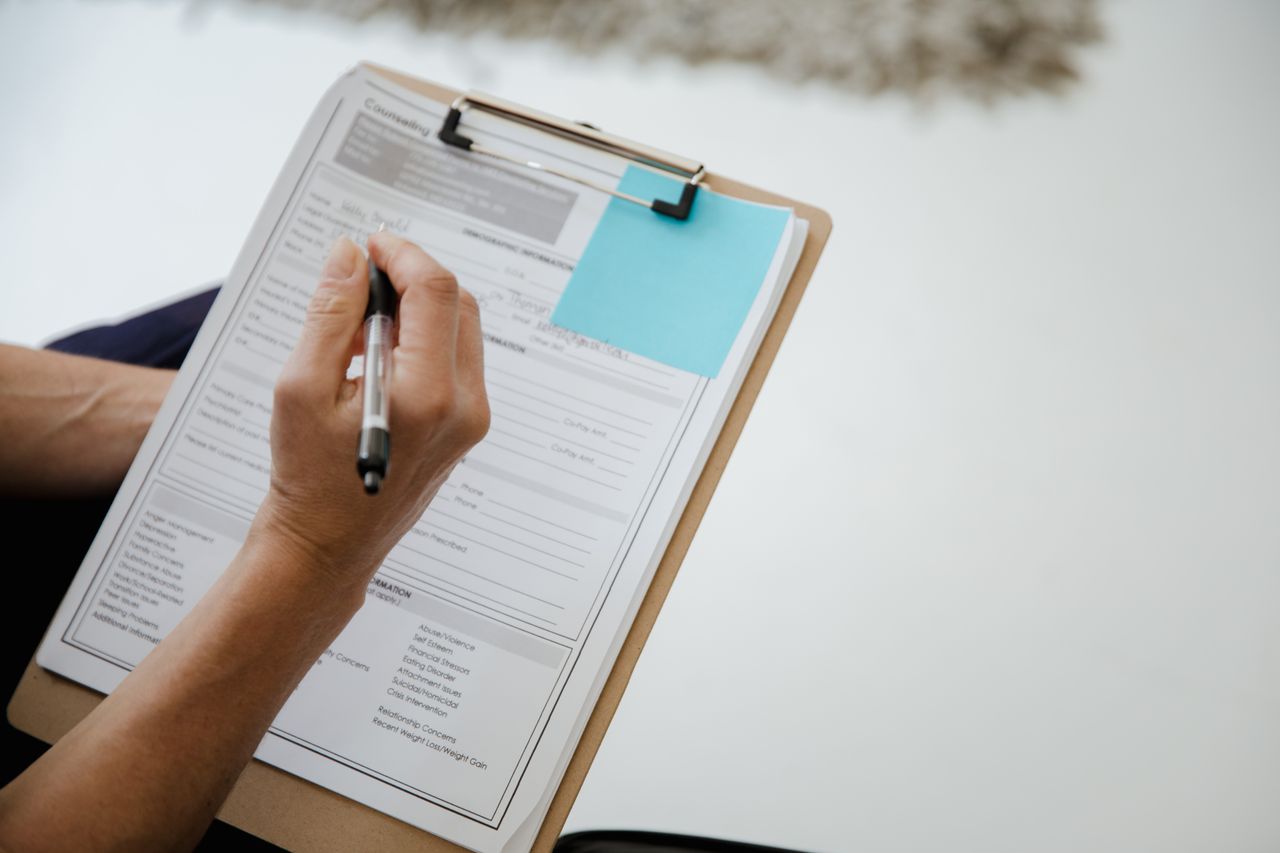
Most teams build every survey from scratch. They write new questions, pick new rating scales, and rebuild the same demographic section they already built three months ago. Then the results come back and nobody can compare them to last quarter, because the wording changed. Survey documentation fixes this. It is the habit of recording how…
-
What Channel Bias Is and Why It Matters in Surveys

To reach a destination, people pick a route. In survey research, that route is the channel you use to collect responses, whether an online form, a phone call, or a face-to-face interview. The channel seems like a neutral delivery method, but it is not. The way you collect data can quietly shape the data itself.…
-
Understanding Color Bias in Survey Design

When you see the phrase “color bias,” your mind probably jumps straight to a color. Maybe red, blue, or yellow. Maybe your favorite. That instinct is exactly the point. Colors carry meaning, and those meanings quietly shape how people react. In survey research, that reaction can skew your data before a respondent answers a single…
-
What Device Bias Is and Why It Matters in Surveys
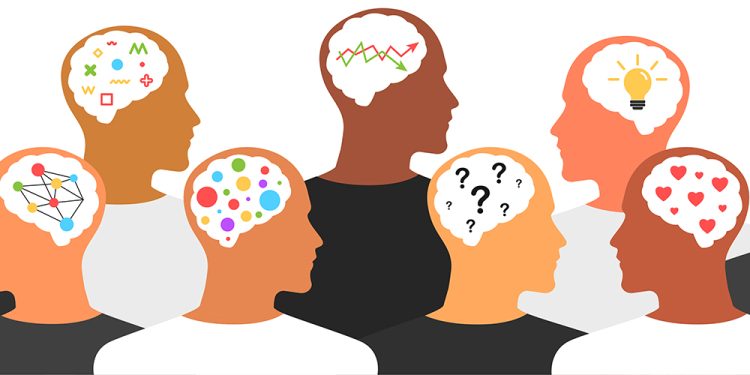
Think about the word “device” for a moment. Most people picture the gadgets they use every day, like a phone in their pocket, a tablet on the couch, or a laptop on a desk. A device is simply a mechanical or electronic tool built to perform a specific task, and phones, tablets, laptops, and desktops…
-
Agent-Based Modeling and Surveys: A Detailed Guide
Imagine you have just completed a large-scale survey. The data looks exciting. Clean lines, sharp charts, solid quantitative insights. Then a question pops into your head. What happens next? Will respondents actually act the way they described? What if their conditions change? What if a new competitor springs up, a government changes, or a policy…
-
The Representativeness Heuristic in Surveys: A Complete Guide

Have you ever wondered how people make decisions based on surveys? How do they interpret the data and form judgments about the topics in front of them? One key factor is the representativeness heuristic. In this article, we will explain what this heuristic is, how it affects survey responses, and how to overcome its cognitive…
-
What Is Procedural Bias in Surveys?

Procedural bias happens when the way a survey is set up, worded, or run pushes people toward certain answers without meaning to. You could have a perfect sample and honest respondents. The process itself can still nudge them in one direction. The results look solid at first glance, but they are off. Think of it…
-
What Is Survey Piping? How It Works, Examples, and Best Practices
-
What Are AI Survey Summaries? A Complete Guide for Researchers

Technology keeps making hard tasks easier. One of the newest tools is the AI survey summary. It helps researchers and businesses analyze data faster and get reliable insights in less time. An AI survey summary is an automated report. Artificial intelligence creates it after analyzing survey responses. These summaries are common in customer feedback analysis,…
-
Split-Sample Testing in Surveys: A Complete Guide for Researchers
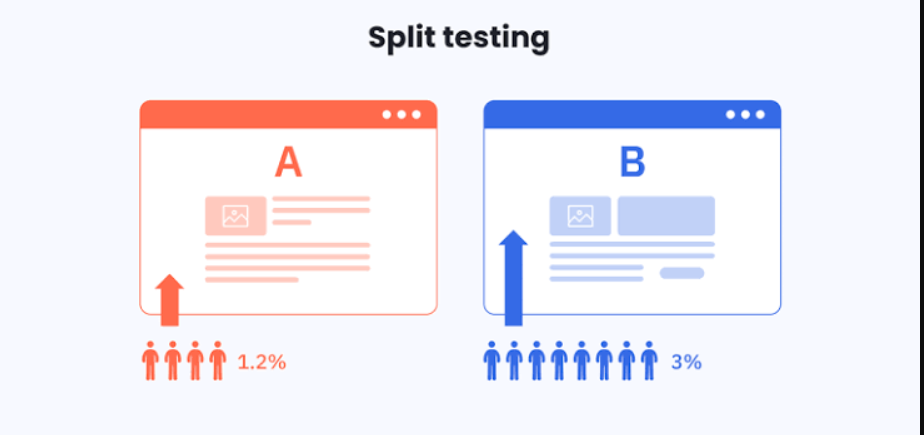
When a survey produces unexpected results, the first instinct is often to question the respondents. Did they misunderstand the questions? Were they distracted? Did they simply rush through the survey? While those factors can affect data quality, the survey itself is often the real issue. Something as simple as changing the wording of a question,…