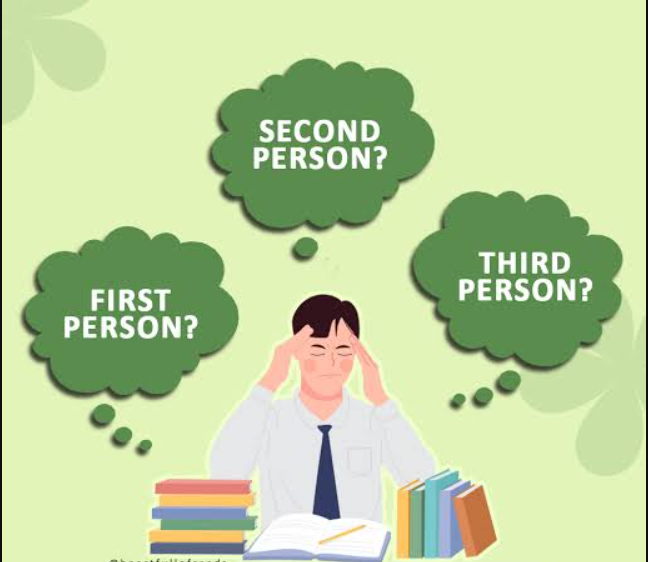
Do you think other people are more influenced by advertising and media messages than you are? This belief illustrates the third-person effect, a psychological phenomenon in which people tend to believe that media messages influence others more strongly than they influence themselves.
Although people may recognize that advertising, news, and persuasive messages affect others, they may underestimate their own susceptibility to the same influences. This perception can shape how people interpret media messages, make purchasing decisions, and respond to survey questions about advertising and persuasion.
For researchers, understanding the third-person effect is important because it can influence how respondents report the effects of media on themselves and others. Recognizing this tendency can help researchers design better surveys and interpret their findings more accurately.
What the third-person effect means
The third-person effect is the tendency for people to believe that media messages have a greater influence on other people than on themselves.
For example, someone might believe that social media advertisements persuade other people to purchase unnecessary products while assuming that their own purchasing decisions are based entirely on personal preferences.
This does not necessarily mean that the person is immune to advertising. Instead, they may be less aware of how advertising shapes their interests, attitudes, and decisions.
The effect is not universal. People may perceive media messages differently depending on the message, their personal beliefs, their understanding of the audience, and the circumstances in which they encounter the content.
Why people think ads influence others more
People may believe that advertising affects others more than it affects them for several reasons.
- Self-awareness: People may believe they recognize advertising techniques and can avoid being persuaded by them.
- Observing other people’s behavior: When someone purchases a product after seeing an advertisement, observers may attribute the purchase to advertising. When they make a similar purchase, they may see it as an independent decision.
- The need to feel independent: Admitting that advertisements influence their decisions may make people feel less in control of their choices. They may therefore underestimate advertising’s impact on them.
- Underestimating subtle influence: Advertising can shape preferences, brand awareness, and purchasing intentions without people consciously recognizing its influence.
- Judging others differently: People may assume that others are less informed, more gullible, or more susceptible to persuasion while viewing themselves as careful and knowledgeable consumers.
These perceptions can create a gap between how people assess their own behavior and how they assess the behavior of others.
Third-person effect examples in advertising
The third-person effect can occur across different types of advertising and persuasive media messages.
Beauty advertisements
A viewer may believe that beauty advertisements make other people feel insecure about their skin, body shape, or appearance. However, the same viewer may underestimate how those advertisements influence their own beauty standards or product preferences.
Celebrity endorsements
A consumer may believe that other people purchase products because a celebrity recommends them. The consumer may dismiss the celebrity’s influence on their own choices, even when the endorsement increases their interest in the product.
Political campaign ads
A person may believe that political advertisements influence other voters’ opinions while assuming that their own political views are firmly established and unlikely to change.
Social media ads
Someone may think that sponsored posts on Facebook, Instagram, or WhatsApp persuade other people to purchase products. At the same time, they may fail to recognize that similar advertisements influence their own interests and shopping decisions.
Limited-time offers
A shopper may believe that messages such as “Offer ends today” or “Buy now” pressure other consumers into making rushed purchases. However, the shopper may interpret their own decision to purchase as entirely rational, even when the urgency of the offer influenced them.
How the third-person effect affects survey responses
The third-person effect can influence survey responses when researchers ask participants about the impact of advertising, news, social media, or other persuasive messages.
Several problems may arise.
- Underreporting personal influence: Respondents may report that advertising influences other people’s decisions while claiming that it has little or no effect on them.
- Socially desirable responses: Some respondents may provide answers that make them appear independent, informed, or resistant to persuasion rather than acknowledging advertising’s influence on their choices.
- Overestimating others’ vulnerability: Respondents may assume that other people are more easily persuaded by advertising or media messages than they are.
- Reduced measurement accuracy: When respondents underestimate their own susceptibility to media influence, researchers may struggle to understand the relationship between advertising exposure, attitudes, and behavior.
- Distorted estimates of advertising influence: If many respondents claim that advertisements do not affect them, researchers may underestimate the perceived personal influence of advertising across the sample.
These issues can affect the interpretation of survey findings. However, the third-person effect does not automatically invalidate survey results. Researchers should consider other possible explanations for differences between self-reported and perceived influence on others.
Factors that influence the third-person effect
Several factors can affect whether people believe that media messages influence others more than themselves.
- Type of advertising or message: People may be more likely to believe that others are influenced by messages they consider misleading, harmful, manipulative, or highly persuasive.
- Perceptions of others: People may assume that others are less knowledgeable or more easily deceived, leading them to underestimate their own susceptibility to persuasion.
- Personal confidence: People who strongly trust their own judgment may believe that advertisements have little power to change their opinions or decisions.
- Media awareness: Knowledge of advertising techniques may encourage people to believe they can recognize and resist persuasive messages. However, awareness does not necessarily eliminate advertising’s influence.
- Social distance: The effect may become stronger when people compare themselves with groups they perceive as different from them in age, education, experience, or knowledge. They may believe that members of those groups are more susceptible to media influence.
Understanding these factors helps researchers develop survey questions that account for how people perceive both themselves and their audiences.
Third-person effect vs. first-person effect
The third-person effect and first-person effect describe different perceptions of how media messages influence people.
| Feature | Third-person effect | First-person effect |
|---|---|---|
| Main belief | Media messages influence others more than oneself. | Media messages influence oneself more than others. |
| Common context | Messages perceived as harmful, misleading, or persuasive. | Messages perceived as beneficial, useful, or personally relevant. |
| Example | “These advertisements influence other people, but they do not influence me.” | “This educational advertisement influenced me more than it would influence others.” |
| Possible implication | People may underestimate their own susceptibility to persuasion. | People may recognize a stronger personal response to a media message. |
These are general patterns rather than fixed rules. The direction of the perceived effect depends on the message, the audience, and the circumstances.
The key distinction is the direction of the perceived influence: the third-person effect involves believing that others are more affected, while the first-person effect involves believing that oneself is more affected.
How to measure the third-person effect with surveys
Researchers can measure the third-person effect by asking respondents to evaluate how much a specific media message influences them and how much they believe it influences other people.
The responses can then be compared to identify differences in perceived influence.
Ask about personal influence
Ask respondents how much a particular advertisement, news report, or social media message influences their attitudes, opinions, or behavior.
For example: “How much has this advertisement influenced your interest in the product?”
Ask about perceived influence on others
Use a comparable question to measure how respondents believe the same advertisement influences other people.
For example: “How much do you think this advertisement influences other people’s interest in the product?”
Researchers should define the comparison group clearly, such as people of a similar age or members of the general public.
Use the same response scale
Use the same response options for both questions to make the results easier to compare.
For example:
- Not at all
- Slightly
- Moderately
- Very much
- Extremely
The questions should refer to the same advertisement, outcome, and time frame.
Compare the responses
Compare each respondent’s rating of personal influence with their rating of influence on others.
If respondents consistently rate the advertisement as having a greater influence on others than on themselves, the difference may indicate a third-person effect.
Researchers can also calculate the average difference between the two ratings across the sample. A positive difference, when perceived influence on others is subtracted from or compared against personal influence using a clearly defined scoring direction, can indicate the effect. The calculation should be defined consistently before analysis.
Use neutral wording
Avoid wording that suggests respondents are less vulnerable to advertising than other people. Questions should encourage honest answers without implying that being influenced by advertisements is a sign of weakness or poor judgment.
Survey questions for studying advertising influence
The following questions can help researchers study advertising exposure, personal influence, and perceptions of advertising’s effect on others.
1. How often do you notice advertisements when using social media, websites, or other digital platforms?
- Never
- Rarely
- Sometimes
- Often
- Very often
2. How much do advertisements influence your interest in a product or service?
- Not at all
- Slightly
- Moderately
- Very much
- Extremely
3. Have you ever purchased a product or subscribed to a service after seeing an advertisement for it?
- Yes
- No
- Not sure
4. How much do you think advertisements influence other people’s purchasing decisions?
- Not at all
- Slightly
- Moderately
- Very much
- Extremely
5. How much do advertisements influence your own purchasing decisions?
- Not at all
- Slightly
- Moderately
- Very much
- Extremely
6. Which type of advertising do you think is most likely to influence people’s purchasing decisions?
- Television advertisements
- Celebrity endorsements
- Online video advertisements
- Social media advertisements
- Search engine advertisements
- Other
- Not sure
Questions 4 and 5 are particularly useful for examining the third-person effect because they use the same response scale to compare perceived influence on others with personal influence.
For stronger measurement, researchers should ask respondents to evaluate the same specific advertisement or campaign in both questions. The general questions above can provide an initial overview, but they may not establish whether a difference is caused by the third-person effect.
How to reduce the third-person effect in survey research
Researchers cannot eliminate every difference between perceived and actual media influence, but they can improve survey design and reduce avoidable sources of bias.
- Use neutral wording: Avoid questions that imply respondents are more informed, independent, or resistant to persuasion than other people.
- Ask about specific experiences: Questions about actual purchases, product searches, or changes in preference can complement general questions about advertising influence.
- Compare self and others consistently: Use the same advertisement, outcome, time frame, and response scale when measuring personal influence and perceived influence on others.
- Assure respondents of confidentiality: Explain how responses will be handled and, where appropriate, offer anonymous participation. This may reduce pressure to provide socially desirable answers.
- Include balanced response options: Provide options ranging from no influence to strong influence, allowing respondents to report different levels of perceived impact.
- Pretest the survey: Test the questionnaire with a small group to identify unclear wording, leading questions, or response options that may encourage respondents to underestimate their susceptibility to advertising.
- Combine self-reports with behavioral evidence where possible: With appropriate consent and privacy safeguards, researchers can compare reported influence with relevant measures such as purchase behavior, clicks, or changes in product interest. These measures can provide additional context, although they do not always establish that advertising caused a particular behavior.
These practices help researchers distinguish between what respondents believe about media influence and what their reported experiences or observed behavior suggest.
Conclusion
The third-person effect describes the tendency for people to believe that media messages influence others more strongly than they influence themselves. It can occur in advertising, celebrity endorsements, political campaigns, social media promotions, and other forms of persuasive communication.
In survey research, this perception can affect how respondents report advertising’s influence on their own attitudes and behavior compared with its perceived influence on others. As a result, researchers may need to account for differences in self-perception, social desirability, and assumptions about other people when interpreting their findings.
Using neutral wording, asking specific questions, comparing personal and perceived influence consistently, and pretesting questionnaires can improve measurement quality. By understanding the third-person effect, researchers can better interpret survey responses and gain a clearer picture of how people perceive the influence of media and advertising.
FAQs
What is the third-person effect in simple terms?
The third-person effect is the belief that media messages influence other people more than they influence you.
What is an example of the third-person effect in advertising?
A shopper may believe that celebrity endorsements persuade other consumers to buy products while assuming that their own purchasing decisions are unaffected by the same endorsements.
How does the third-person effect affect survey research?
It can lead respondents to overestimate advertising’s influence on others while underestimating its influence on themselves, potentially affecting the interpretation of survey results.
What is the difference between the third-person effect and the first-person effect?
The third-person effect occurs when people believe media messages influence others more than themselves. The first-person effect occurs when they believe the messages influence themselves more than others.
How can researchers measure the third-person effect?
Researchers can ask respondents to rate the influence of the same media message on themselves and on a clearly defined group of other people, using identical response scales, and then compare the ratings.